

Are you looking at a hardness result and asking what water hardness needs a softener? A practical point to start evaluating one is more than 7 grains per gallon (gpg), which is about 120 mg/L or ppm as calcium carbonate. That number does not mean you must install a softener. It means the water is hard enough that scale, spots, and soap film can become costly or frustrating in a home.
Fortunately, you do not have to guess from a city average or a neighbor’s system. Test your incoming water, compare the result with the effects you see at home, and then decide whether the benefits justify the equipment, salt, and water use. This guide gives you a clear way to make that decision.
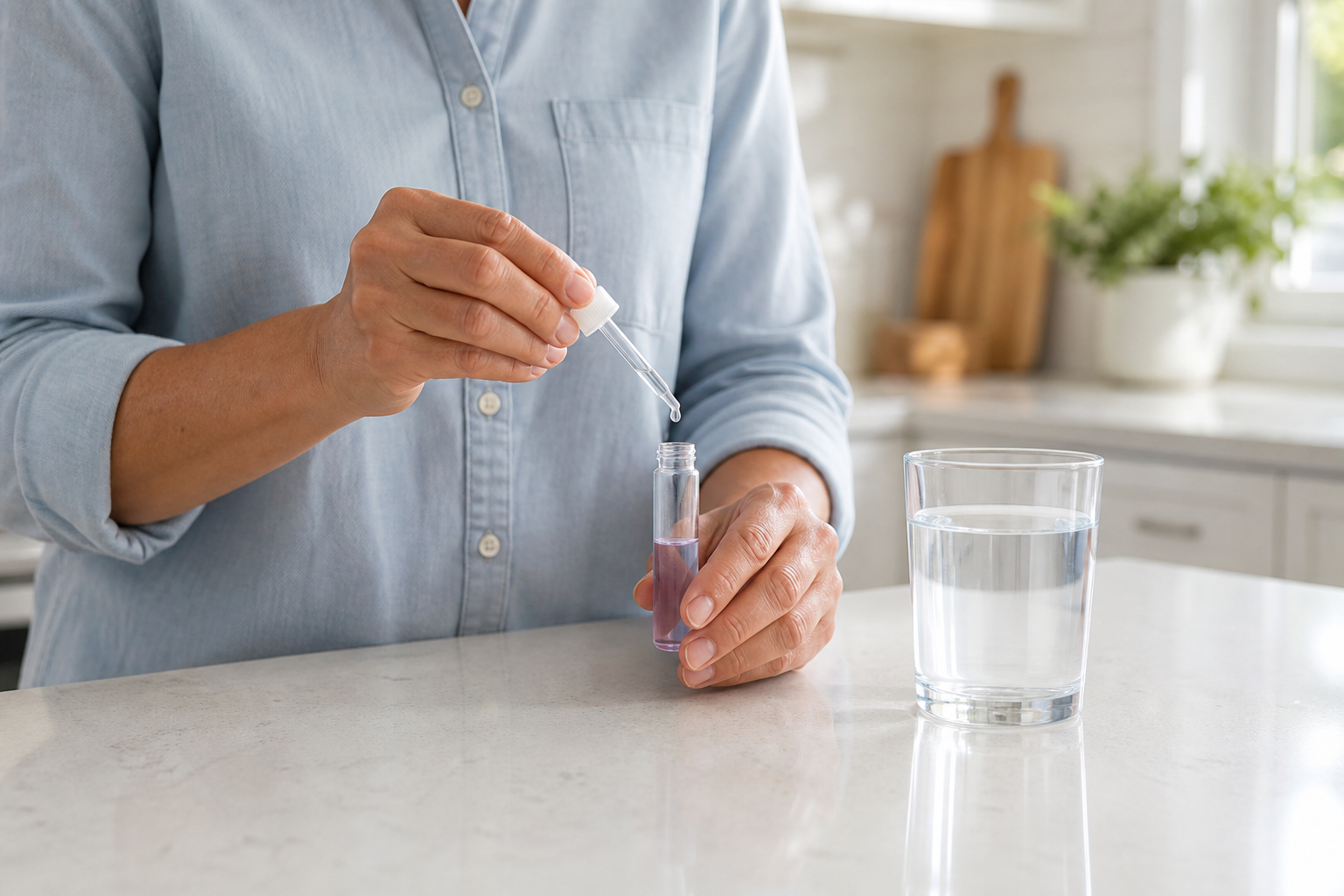

Table of Contents
Table of Contents
- What Water Hardness Needs a Softener?
- Understand Your Number: gpg, ppm, and mg/L
- When Hard Water Is Causing a Real Home Problem
- When a Water Softener May Not Be the Right Answer
- How to Decide Before You Buy or Size a Softener
- Frequently Asked Questions
What Water Hardness Needs a Softener?
The short answer is that water above 7 gpg, or about 120 ppm, is hard enough to make a water softener worth considering. The Minnesota Department of Health uses that level as a point where a softener might help appliances run well and reduce problems with taste, smell, or appearance. It also makes an important distinction: softening is a personal treatment choice, not a universal requirement.
So what should you do with a result of 8, 12, or 18 gpg? Use the number as the start of a household decision. The higher the hardness, the more likely you are to see mineral scale in hot-water equipment, white deposits on fixtures, cloudy glassware, and more soap or detergent residue. If your water is only slightly above the threshold and you are not seeing those effects, you may decide to wait, soften only selected plumbing, or choose a different maintenance plan.
The University of Minnesota Water Resources Center says that hardness below about 5 to 7 gpg may be acceptable to many households. Above that range, the right choice depends on your water source, your fixtures and appliances, your budget, and what you want to improve. There is no one number that makes a softener mandatory for every home.
Before you spend money, get a number you can trust. Our guide to testing water hardness at home can help you choose a strip, drop kit, or laboratory test. If you use a strip, read the color at the correct time with help from our guide to reading water hardness test strips.
Understand Your Number: gpg, ppm, and mg/L
Hardness reports can use several units. That is one reason homeowners can receive a useful water test and still be unsure what it means. The result normally describes calcium and magnesium hardness as calcium carbonate.
Here is a practical reference table:
| Hardness range | Grains per gallon (gpg) | ppm or mg/L as CaCO3 | What it can mean at home |
|---|---|---|---|
| Soft | 0 to 3.5 | 0 to 60 | A softener is rarely needed for hardness alone. |
| Moderately hard | 3.5 to 7 | 60 to 120 | Watch for scale or soap-film problems before you decide. |
| Hard | 7 to 10.5 | 120 to 180 | A softener can be useful when you want to control recurring mineral effects. |
| Very hard | More than 10.5 | More than 180 | A softener is often worth evaluating, especially where hot-water scale is persistent. |
The ranges above match common extension guidance. Penn State Extension explains that 1 gpg is about 17.1 ppm or mg/L. If a report says 171 ppm, divide by 17.1 to get about 10 gpg. If your softener controller uses gpg but your report uses mg/L or ppm, this conversion helps you compare the number with its settings.
gpg = ppm or mg/L divided by 17.1
Do not substitute total dissolved solids, also called TDS, for a hardness result. TDS is a broad measurement of dissolved material. It cannot tell you how much calcium and magnesium are causing hardness. For more detail on the classifications and conversion, see our water hardness scale.
What if you get city water? Ask the utility for a current hardness value or look for it in its water-quality report. A utility number can be a good starting point, but seasonal source changes and local blending can affect it. A fresh test from your incoming supply is the better choice if you are deciding how to set or buy equipment.
When Hard Water Is Causing a Real Home Problem
The number matters, but the effects in your home matter too. Hardness minerals are not a contaminant-removal problem. They mostly create nuisance and maintenance problems when calcium and magnesium leave deposits or react with soaps and detergents.
At 7 gpg or more, look for a pattern rather than one isolated spot. Common signs include:
- White or chalky scale on shower doors, faucets, and kettle parts.
- Repeated spots on clean glasses and dishes.
- Soap film in sinks, tubs, or showers.
- Laundry that feels stiff or looks dull after normal washing.
- More frequent scale buildup in water-heater components or appliances that heat water.
- Extra cleaning time to keep fixtures looking clear.
Our guide to signs of hard water can help you separate these repeat patterns from one-off cleaning issues. Hardness can be the reason for the symptom, but it is not the only possible cause. Iron, manganese, sediment, detergent choice, and appliance problems can look similar in some cases.
Why put symptoms beside the lab number? A softener creates ongoing work. It needs regeneration, salt or potassium chloride, and occasional maintenance. The EPA WaterSense guidance notes that softeners can use substantial water during regeneration. The benefit is clearer when you are fixing a repeated scale or cleaning problem, not merely reacting to a single test result.
If your home has very hard water, a softener may help protect the plumbing and appliances that handle hot water. You still do not need to soften every line. The University of Minnesota advises homeowners to consider softening only what needs it, such as indoor or hot-water uses, rather than irrigation or other high-volume outdoor uses.
When a Water Softener May Not Be the Right Answer
A water softener removes hardness minerals through ion exchange. It is not a filter for every water problem, and it does not make untested water safe to drink. Before you buy one, ask what you are trying to solve.
Your utility already provides soft water
If your city water is already soft, additional softening may not help and can create unnecessary operating cost. Contact the utility before installing a system. The Minnesota Department of Health also notes that extra softening can increase corrosion concerns in some homes.
Your concern is a contaminant, odor, or unusual color
Hardness is different from lead, bacteria, nitrate, sulfur odor, or many other water-quality issues. A softener is not a substitute for the correct water test and treatment method. If you use a private well, a hardness result is only part of the picture. Our guide to hard well water explains why a fuller test can identify iron, manganese, pH, and sediment concerns before you choose equipment.
You want to soften drinking and cooking water without a plan
Conventional ion-exchange softeners commonly replace hardness minerals with sodium or potassium. The Minnesota Department of Health advises keeping an unsoftened tap for cooking and drinking when sodium is a concern, and it advises readers with individual health needs to follow their clinician’s guidance. Your installer and local plumbing rules can also affect where a system should connect.
You only have a mild problem
At 4 to 7 gpg, you may decide that a softener is not worth the water use, salt use, and maintenance. Try targeted cleaning, a shorter equipment scope, or a wait-and-retest plan first. This is especially reasonable if there is no repeating scale, glassware, or laundry problem.
How to Decide Before You Buy or Size a Softener
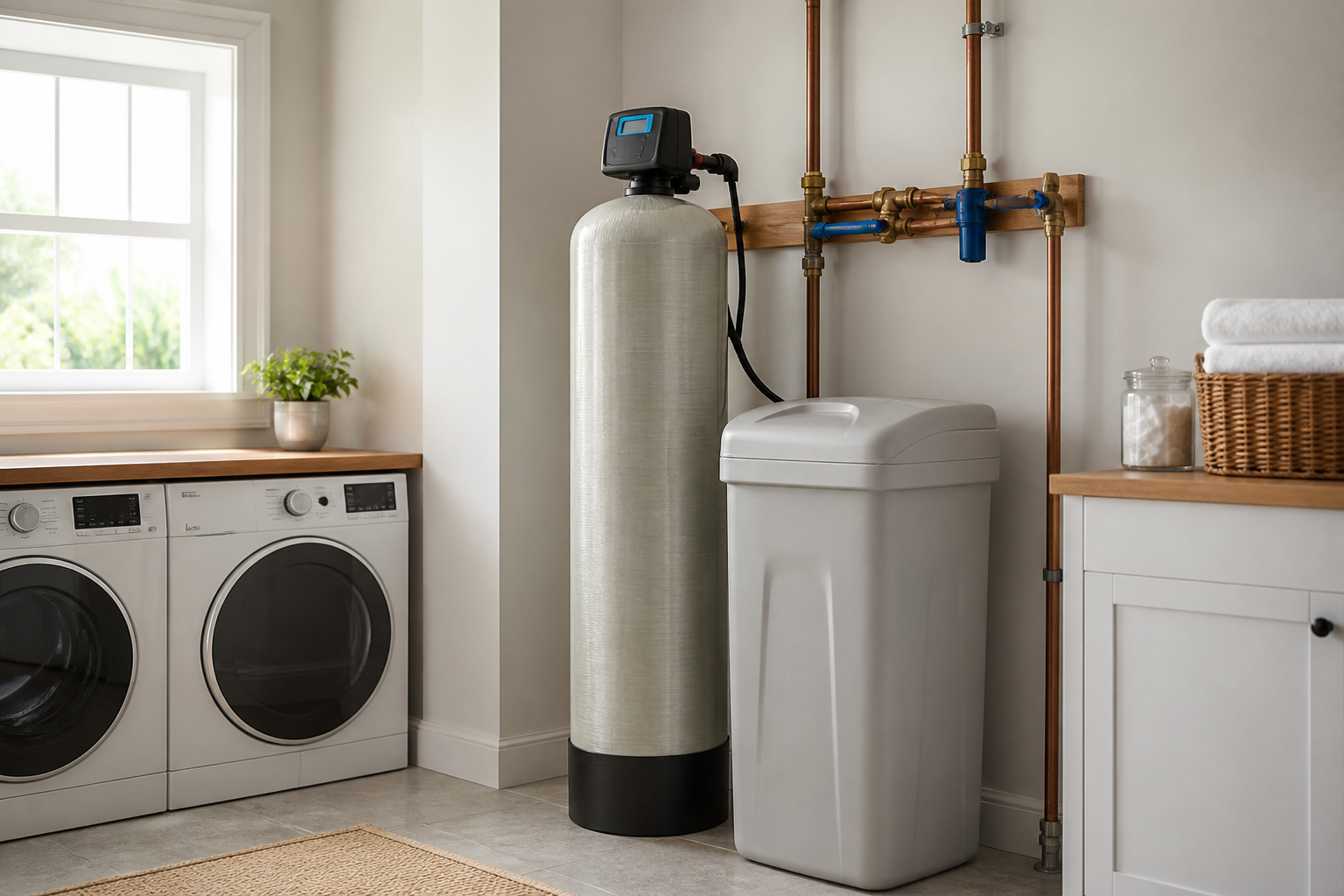
Once you know that hardness is creating a problem, take these steps before you pick a system. They will help you avoid buying a system that is too small, too large, or set to the wrong incoming-water value.
- Confirm the untreated-water hardness. Test before the softener or use a reliable, current utility or laboratory result. Record the date and unit.
- Check for other water conditions. For well water, include iron, manganese, sediment, pH, and any local concerns in the test plan. A softener can need pretreatment when other conditions would foul its resin.
- Define the plumbing scope. Decide whether you need softened water at showers, laundry, and hot-water appliances, or only at selected points. Keep irrigation and other high-volume outdoor use outside the system when possible.
- Estimate daily demand. A system should match household water use and incoming hardness. Our family-of-four softener sizing guide shows how family size, gallons used, and gpg work together.
- Choose efficient regeneration. The EPA recommends demand-initiated systems instead of systems that regenerate on a fixed timer when you need a replacement. It also advises programming regeneration from incoming hardness or flow, rather than guessing.
- Set the controller from your test result. Once installed, use the untreated-water hardness in the unit your manual requests. Our guide to the water softener hardness setting explains how to avoid confusing that setting with capacity or salt dose.
What hardness setting should you use after installation? Use the verified incoming-water value, not the output you hope to get. Follow the exact model manual for menu steps and any special adjustment. Do not change capacity, brine fill, reserve, or valve-cycle settings just because you are entering a hardness number.
Frequently Asked Questions
Is 7 gpg hard enough for a water softener?
It can be. More than 7 gpg is commonly classified as hard water and is a reasonable point to evaluate a softener. Whether you need one depends on the scale, cleaning, appliance, and budget effects in your home. There is no requirement to soften water at this level.
Is 10 gpg very hard water?
Ten gpg is in the hard range, close to the very-hard cutoff of 10.5 gpg. If you have repeated scale or soap-film problems, it is sensible to compare the cost of a correctly sized softener with the maintenance you are already doing.
What water hardness level is too low for a softener?
Water below about 3.5 gpg is generally soft. In that range, a softener is rarely needed to address hardness. Water from a utility may also already be softened, so check its current report before adding treatment.
Can a water filter soften hard water?
Most common drinking-water filters are not water softeners. A true ion-exchange softener targets calcium and magnesium hardness. If your goal is a contaminant, taste, or odor concern, test for that issue and choose treatment that is designed for it.
Should I soften my whole house or only hot water?
It depends on the problem you want to solve and your plumbing layout. Many homes soften indoor fixtures, laundry, and hot-water uses while leaving irrigation and other outdoor taps unsoftened. A licensed installer can help you plan the connection points safely.
The Bottom Line
What water hardness needs a softener? Start evaluating one when your result is above 7 gpg, or about 120 ppm or mg/L as calcium carbonate, and you are seeing ongoing mineral effects at home. That level is a practical decision point, not a rule that every household must follow.
Test before you treat. Then match the system, plumbing scope, and controller setting to your actual incoming water. This approach helps you address hard-water problems without paying for treatment that your home does not need.